
Following several news about children in care, BBC reported yesterday that the number of looked-after children aged 16 and over living in unregistered accommodation in England has increased 70% in a decade, also stating that thousands of teenagers in care are being “dumped” in unregulated homes and “abandoned to organised crime gangs”.
I can’t talk about all the “so-called” 16+ supported or semi-supported accommodation, (or semi-independent accommodation – SIA) but I can analyse my reality and what I know about this type of placements.
Even if a “stronger” regulation would be welcome, it is also true that Local Authorities (LA) have the responsibility to monitor and inspect the settings approved and used to place the children under their care. Here, the reality that I know is that this monitoring/inspection varies from consistent and regular announced and unannounced visits to occasional or almost non-existence ones (if we do not have in consideration the regulars visits from the LA Social Worker).
Understanding some of the concerns raised by the report to which BBC had access, I’m happy to say that not all SIA’s are like the ones presented in the article.
Some SIA’s, despite not being regulated (by OFSTED) follow very similar rules and regulations to the ones that OFSTED follows when registering, monitoring and/or inspecting Residential Children’s Homes (RCH) Here, we’re talking about the RCH Regulations 2015 and the Children’s Act 1989 and 2004, and the main differences between what the SIA’s that I know do when comparing to RCH’s is in the scope of what was defined by OFSTED as being part of support and/or care.
This difference is due to the different goals of each setting, being the SIA’s orientated for young people (or young adults that need to improve their independent skills, but that already possess the necessary ones to be able to live in a “semi-independent” context.
The reality that I know is not about “placements” where children are being “dumped”.
The reality that I know is about homes with high standards, that follow exactly the above and where those young adults receive support from experienced and trained staff (including social workers, teachers and others) 24 hours per day and 7 days per week. The reality that I know is about homes where young adults are learning the skills they need to live independent after their 18th birthday.
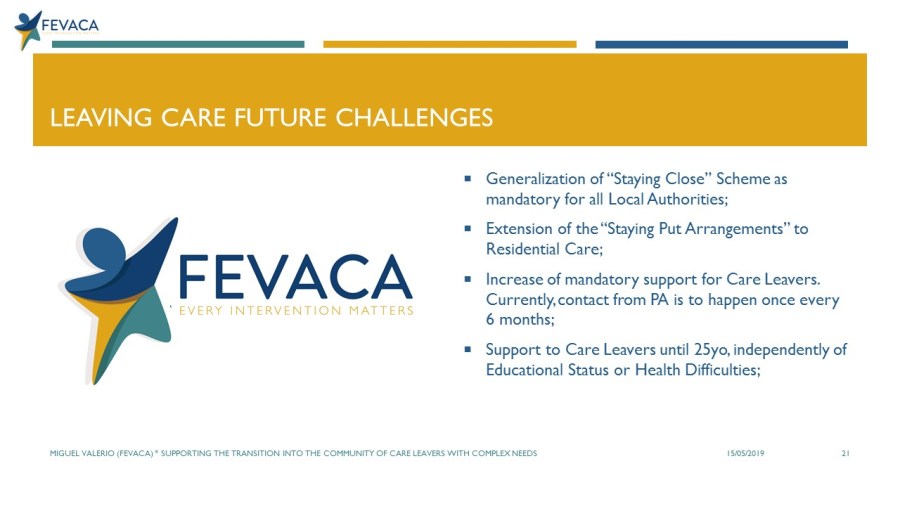
The reality that I know is about homes where, despite the fact that the staying put arrangements don’t apply to them, are happy to have them at home until they are prepared and support them in the next step. The reality that I know is about homes that pro-actively seek to stay close to the young adults that lived there as much as possible,
The reality that I know is about homes that care about those young adults and in several occasions are the only ones supporting then to achieve their wishes.
Yes, I know that there are other SIA’s different from the ones that I know. Yes, I’m aware that what is presented on that BBC article in true. But I also know that it is not the only reality, and there are SIA’s that are creating homes for those young people (or young adults).
Maybe we need more regulation of these settings or, maybe, we just need the responsible organisations to develop a real monitoring. Maybe, we need to improve this settings or, maybe, we just need “that” monitoring to work and make sure that they are implementing the service they should be implemented.
Maybe, some interesting questions would be:
- How many inspections are carried out by LA’s before/during a placement?
- Are this inspections only focused in Health and Safety Regulations, or really monitor the quality of the support given to the children placed?
- What are the main reasons for LA placing in SIA’s? Because its goals fulfil the needs of the YP or because it’s cheaper than a Children’s Home?
I’m just asking…





 Miguel Valerio